

A digital record for CLTS at county level.
The CLTS Tracker replaces the paper registers and follow-up sheets that CLTS work usually runs on. County health teams and their partners record triggered villages, registered households and every follow-up visit in one shared system, so the status of each village is visible as it moves toward open-defecation-free certification.
Records you can build insight from.
Paper-based implementation makes it hard to see how CLTS is progressing across a county. Sheets are held in different offices, follow-ups go unrecorded, and figures are slow to compile. Holding the same data digitally keeps village records complete and current, and turns them into dashboards the county and its partners can act on.
The stages of CLTS, tracked end to end.
Household registration
Register the households in each triggered village and record the sanitation facility they start with, giving every village a clear baseline.
Follow-ups
Log each follow-up visit and how households are progressing, so promoters and public health officers can see which villages need another visit.
Verification
Capture the verification assessment against open-defecation-free criteria and hold the evidence behind each village's claimed status.
Certification
Record certification once a village is confirmed open-defecation-free, keeping a dated, auditable record of the outcome.
Better records and clearer dashboards.
Complete village records
Every triggered village keeps a single record of its households, follow-ups and status, held in one place rather than across scattered paper.
County-wide dashboards
See how many villages are triggered, under follow-up, verified and certified, and where CLTS efforts need attention across the county.
Deployed at county level.
Ministry of Health teams
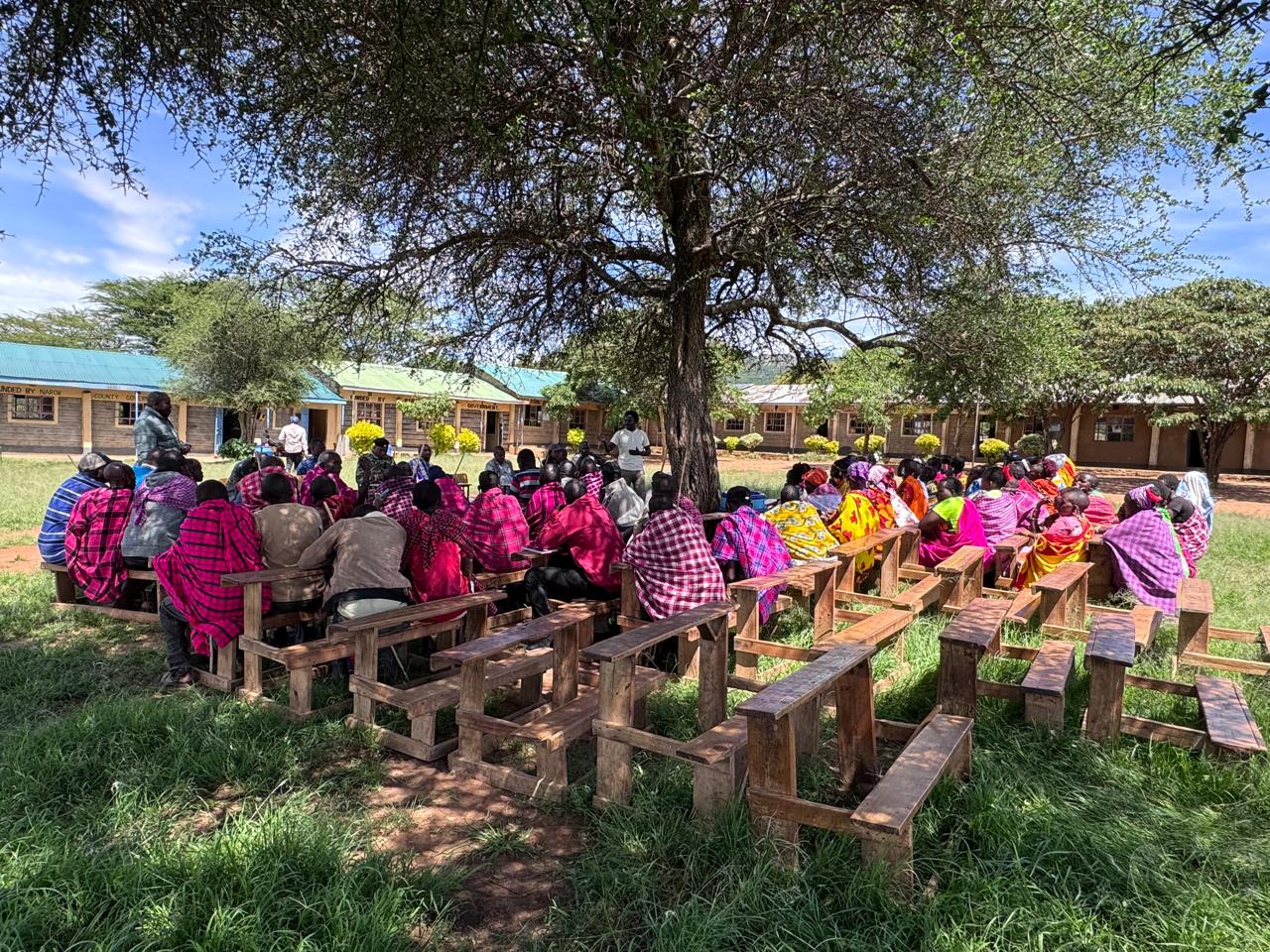
Public health officers and community health teams register households, run follow-ups and manage verification and certification for the villages they cover.
Implementing partners
Partners supporting CLTS in the county work from the same records as the health teams, so reporting stays consistent and effort is not duplicated.
Two ways to run it, both free.
Hosted
We run the tracker for your county and give your teams and partners a workspace to sign in to. There is nothing to install and no server to maintain.
Open source
The full source is on GitHub for counties that would rather host it themselves or adapt it. Free to deploy on your own infrastructure.
Bring the CLTS Tracker to your county.
Request a hosted workspace for your county's MOH teams and partners, or get the source code to run it yourself. Both are free.