
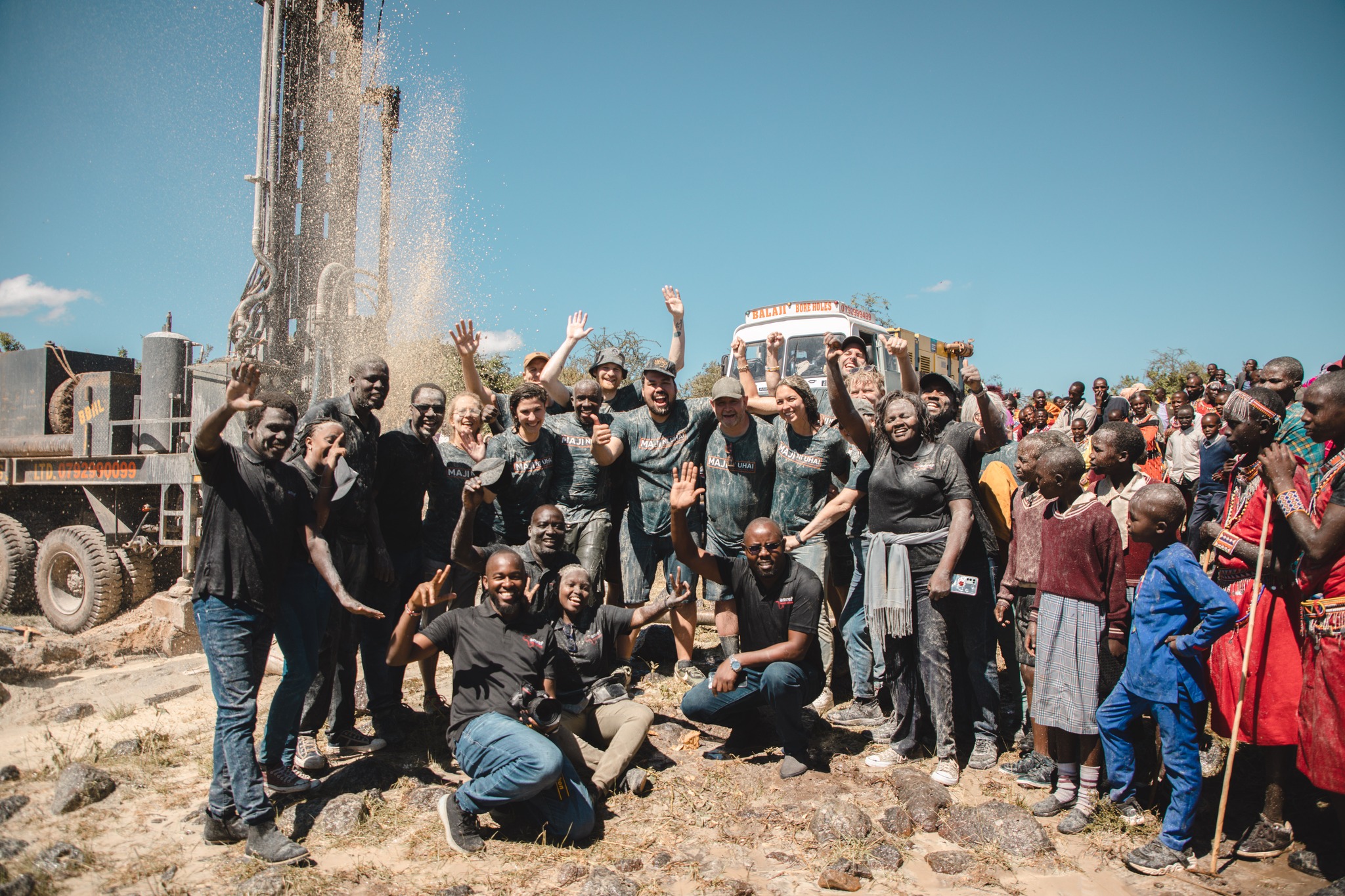
Clean water, safe sanitation and dignity for rural Narok.
Funded by the Well:Fair Foundation, the 100% WASH project is committed to fulfilling the rights to clean water, safe sanitation and proper hygiene in underserved rural areas of Kenya, with a transformative focus on health, education and economic empowerment for women and children.
By enhancing access to clean drinking water and safe sanitation, the project promotes a healthier, safer and more dignified life. It helps prevent waterborne diseases, allows children to attend school regularly, and frees women and girls from the daily burden of fetching water so they can pursue other productive opportunities.
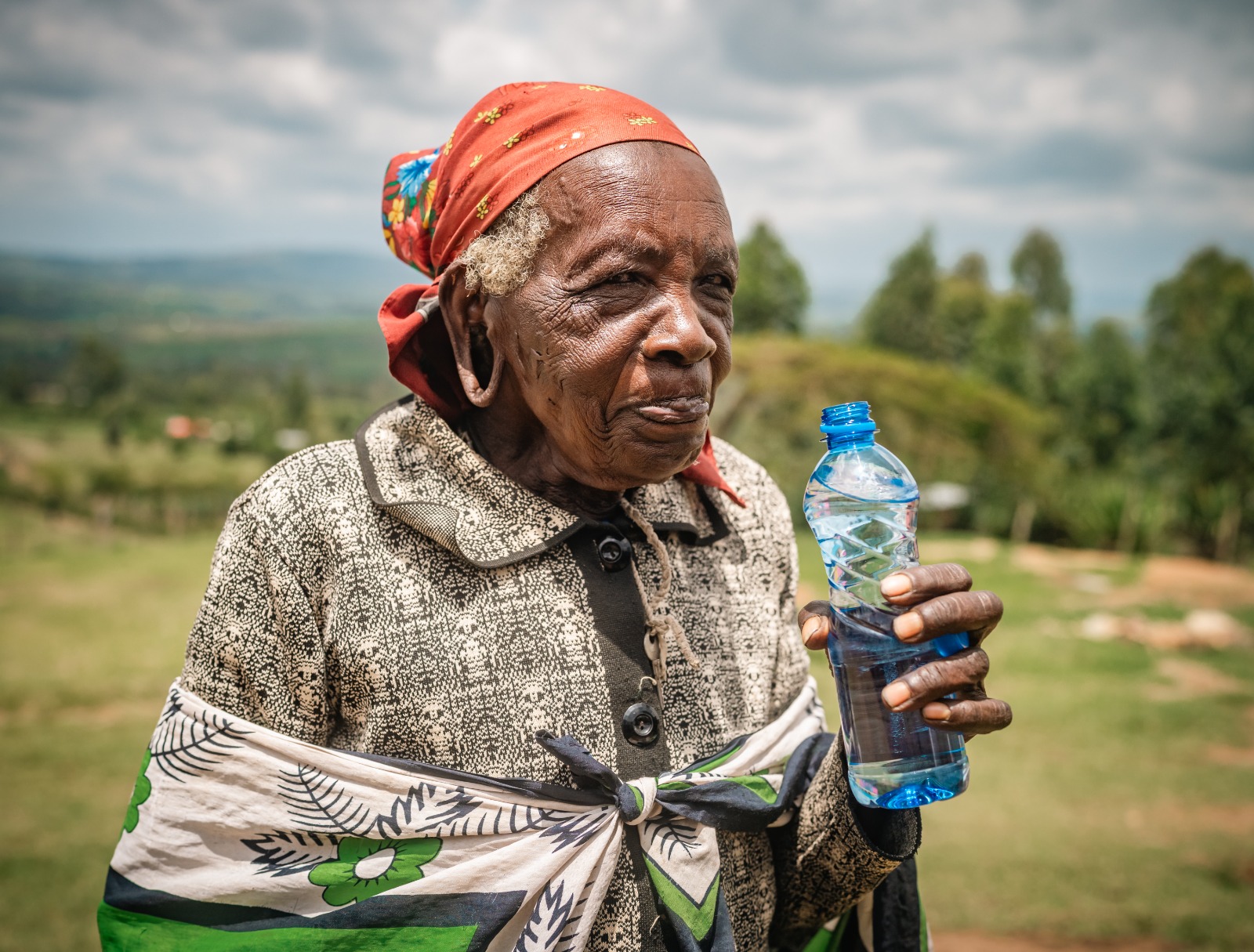
Building a secure water future since 2021.
A transformative focus on people.
Health
Reliable clean water and safe sanitation prevent waterborne diseases and give families a healthier, more dignified daily life.
Education
With water and sanitation close to home and school, children, especially girls, can attend class regularly and stay in learning.
Economic empowerment
Freeing women and girls from the daily burden of fetching water opens time for school, work and other productive opportunities.
Tracking our impact.
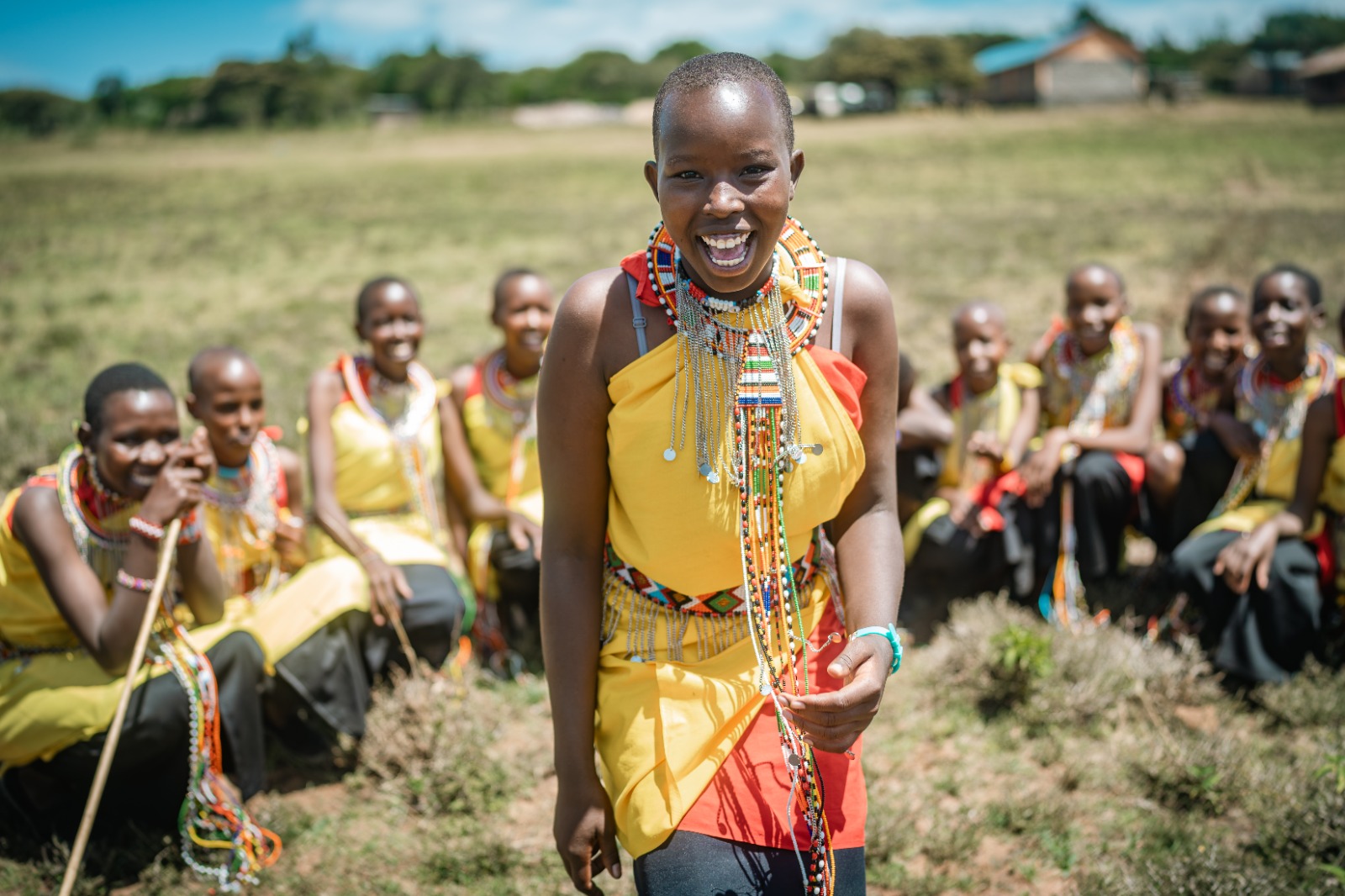
On the edge of the Maasai Mara.
Since 2021 the project has worked in Narok West and Transmara West, in communities that border and interact closely with the Maasai Mara National Reserve, one of Africa's most significant wildlife and conservation landscapes.
This places the project within a semi-arid ecological zone of seasonal rainfall, expansive rangelands and a strong dependence on natural resources. Communities rely largely on pastoralism and small-scale agriculture, both highly sensitive to water availability and climate variability. Periodic droughts and growing pressure on shared water sources affect household welfare, livestock productivity and access to essential services.
While the Maasai Mara contributes significantly to national and local economies through tourism, many neighbouring communities still lack basic infrastructure such as safe water, sanitation and reliable energy. Closing these gaps improves community wellbeing and supports sustainable coexistence between communities, livestock and wildlife.