
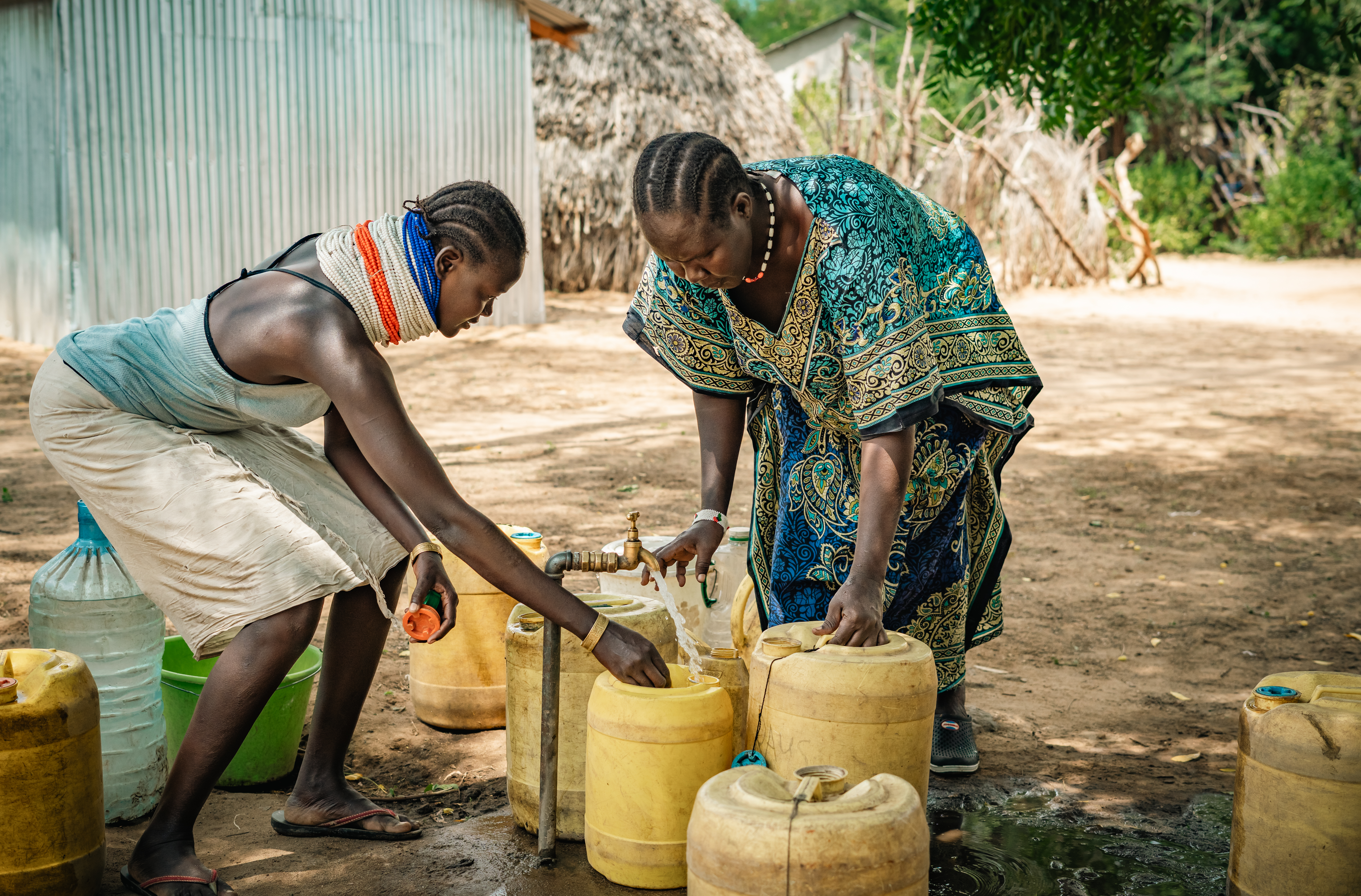
Five pillars, one resilient community.
The WHEEL Project sustainably improves access to safe water, sanitation and quality education while building community resilience to climate change, through a gender-sensitive and inclusive approach across Malindi, Magarini and Kilifi North sub-counties in Kilifi County.
At its heart is the WHEEL model: a framework that recognises lasting impact is achieved when five interconnected pillars, Water, Hygiene, Empowerment, Environment and Life Skills, work together to strengthen communities.
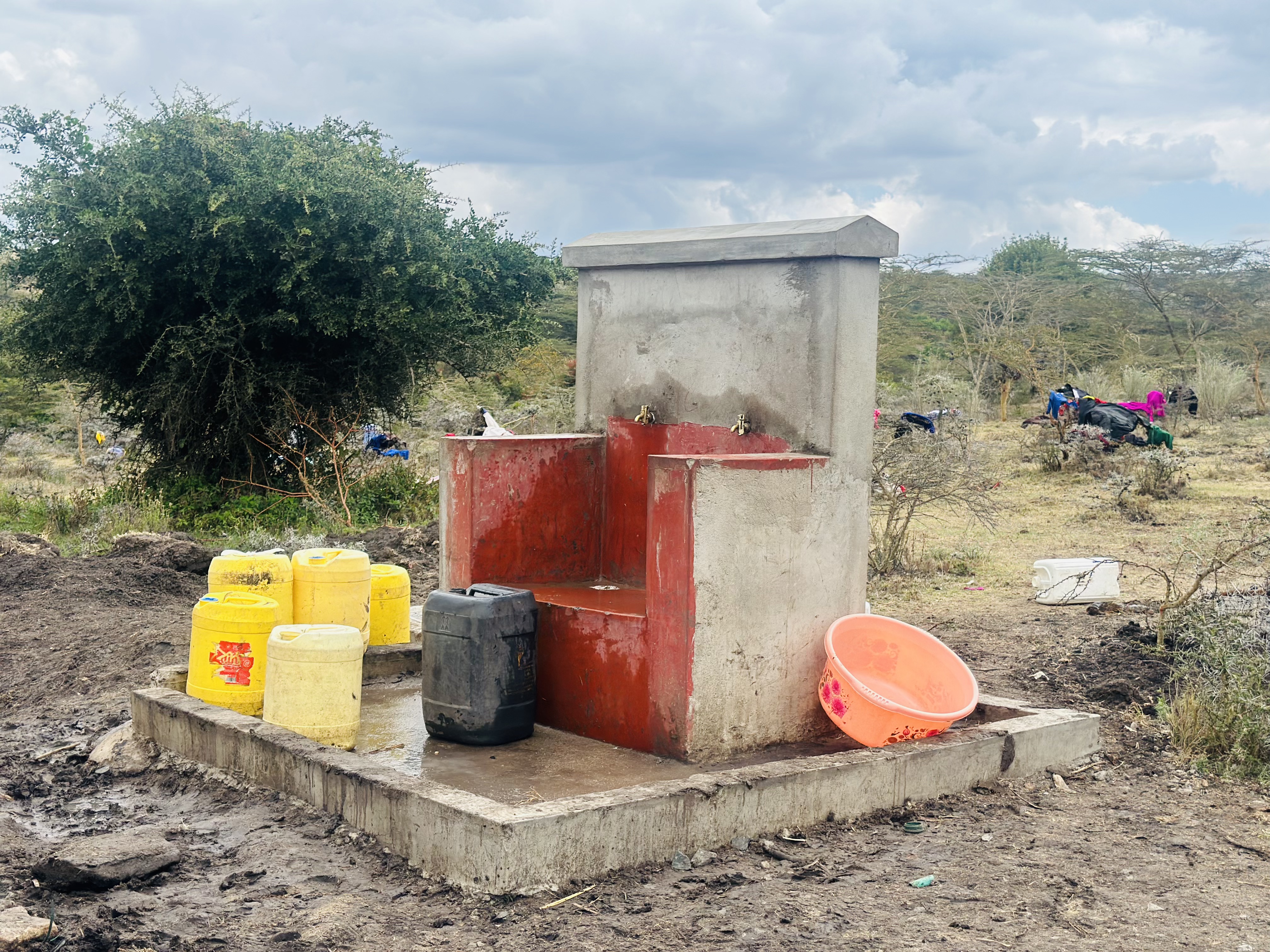
Working across Kilifi County.
Five pillars that move together.
Water
The foundation of the model. Safe, reliable water for homes, schools and health facilities reduces waterborne disease, supports livelihoods and small-scale agriculture, and frees women and girls from the time burden of collecting water, with climate-resilience measures keeping supply reliable.
Hygiene
Disease prevention, dignity and lasting behaviour change. Behaviour change communication drives better sanitation, handwashing and menstrual hygiene, supported by gender-sensitive, disability-inclusive sanitation facilities in schools, health facilities and homes.
Empowerment
Strengthening individual agency, institutions and inclusive systems. Investments in education, livelihoods and capacity building grow economic resilience, while child protection and community safeguarding promote safe environments.
Environment
Protecting health gains through responsible resource management. Climate adaptation, tree planting, biodiversity conservation, ecosystem restoration and watershed protection safeguard water quality and long-term supply.
Life Skills
Equipping young people to thrive. The model builds leadership, civic responsibility, problem-solving and digital and technical literacy, expanding access to innovation and employment opportunities.
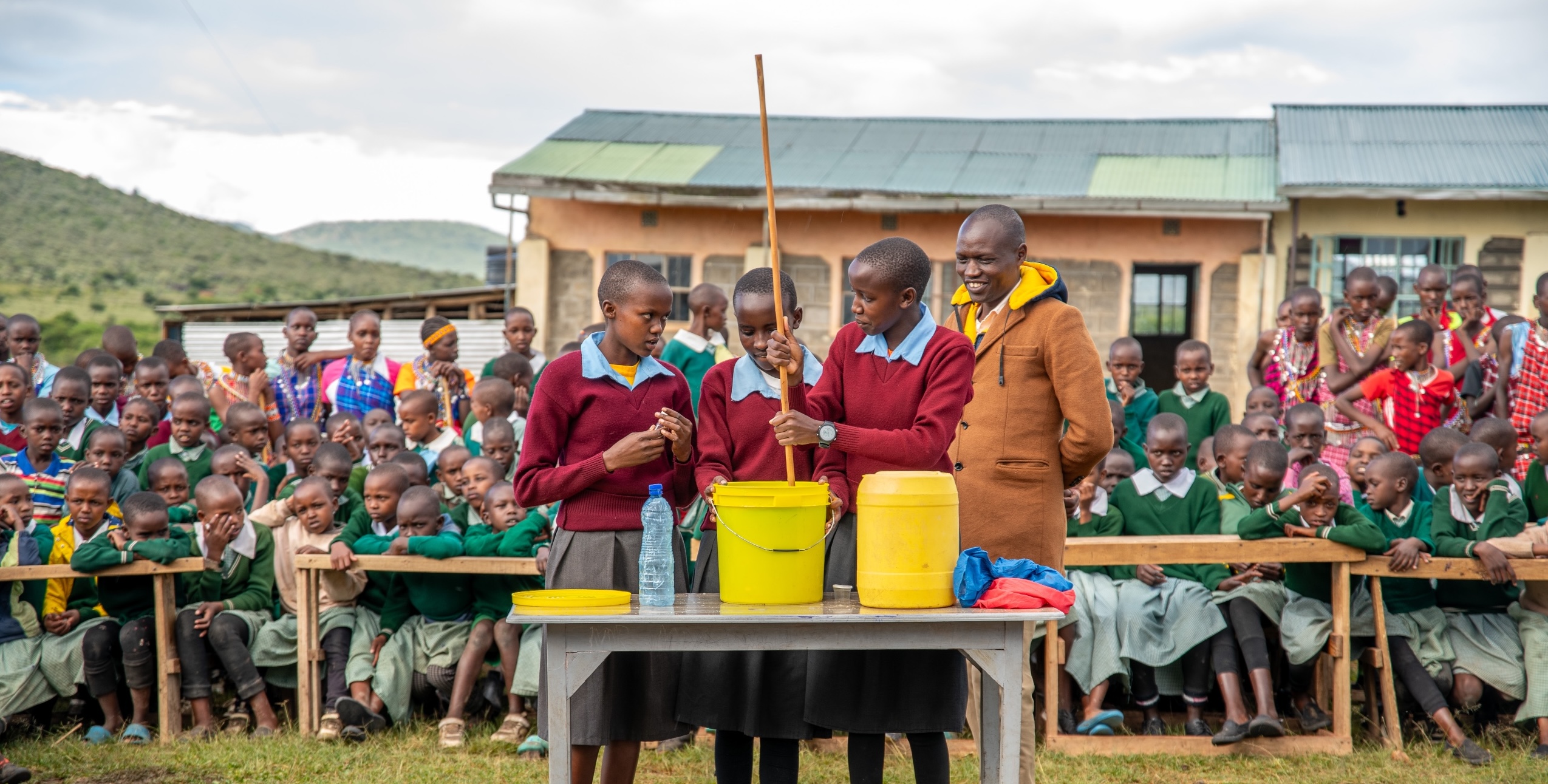
Gender-sensitive, climate-resilient by design.
The WHEEL Project weaves these five pillars together so progress in one reinforces the others, building communities that are healthier, more resilient and more inclusive.
A deliberate focus on gender and inclusion, paired with climate adaptation across every pillar, secures lasting impact for households, schools and health facilities throughout Malindi, Magarini and Kilifi North.