
Lasting water, sanitation and hygiene, built with communities, not just for them.
We work across three connected fronts: safe water access, community sanitation, and WASH in schools. Each programme is co-created with the communities we serve and designed to keep working long after we leave.
Water interventions.
In Kenya, 3 out of 10 people still lack access to safe drinking water. The situation is direr in the Arid and Semi-Arid Lands (ASALs) which make up over 80% of the country, where access to at least basic drinking water services is as low as 21%. This chronic water insecurity exposes millions to waterborne illnesses and undermines dignity, education, livelihoods and climate resilience. Our interventions are driven by this reality, as we work toward SDG 6.1: universal and equitable access to safe and affordable drinking water for all. We work with communities in the following ways:
Community Engagement
We conduct sensitization and awareness forums on the importance of safe water, hygiene practices, and sustainable usage with communities prior to building any infrastructure. Through inclusive dialogues, we foster ownership by encouraging community contributions and active participation in operations and maintenance (O&M) of water systems.
Water Infrastructure Development
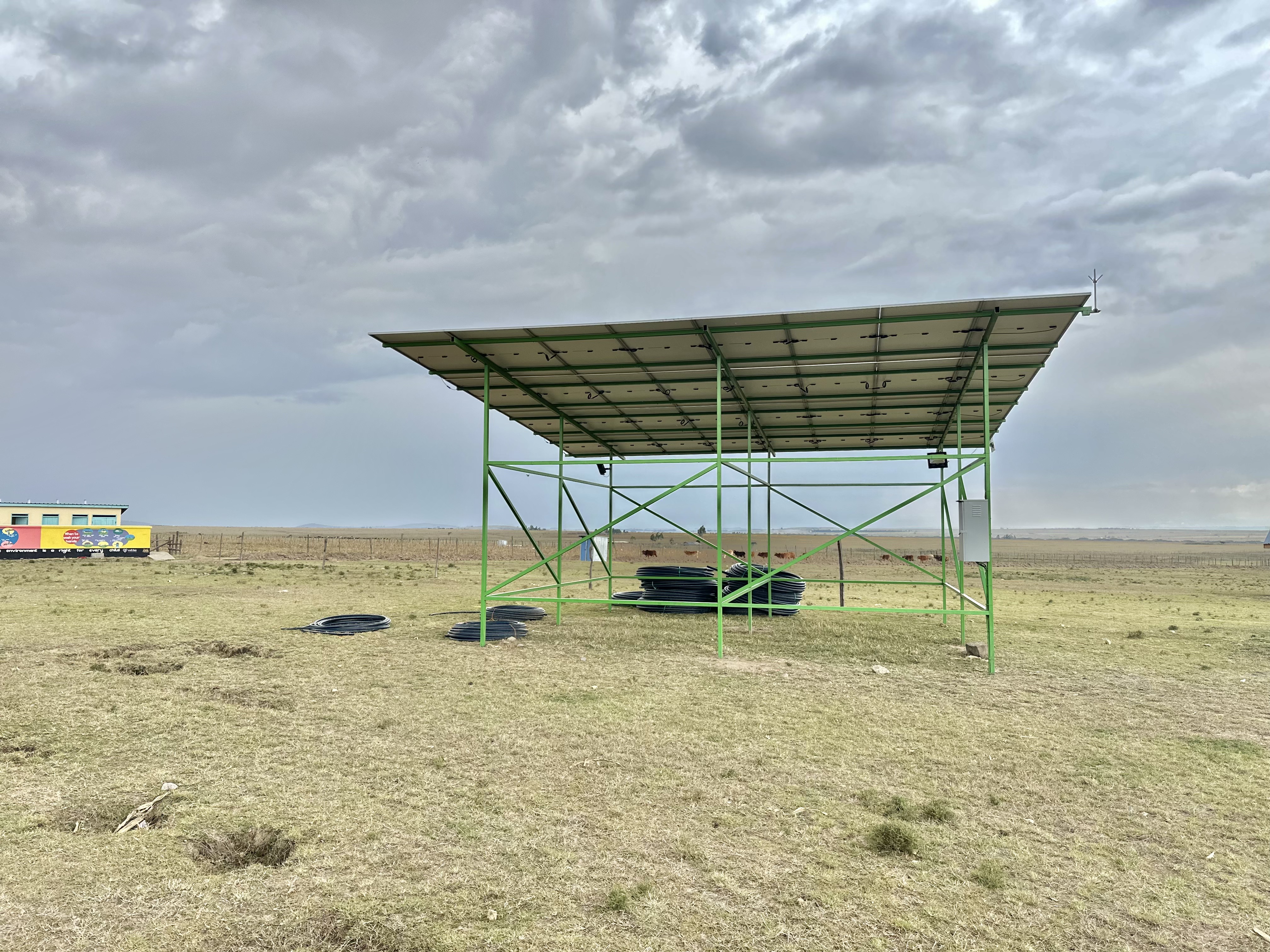
We invest in sustainable water infrastructure by drilling and rehabilitating boreholes, protecting and developing springs, constructing water kiosks, reticulation systems and safe drinking water points. These systems are paired with water treatment solutions to guarantee safe drinking water for households, schools, and health facilities.
Water Governance
Sustainability is ensured when water systems are regularly maintained, expansions are made to reach more people, and repairs are done on time. This is only attainable through revenue generated by the sustainable sale of water to community members. To ensure transparent and accountable management of water resources, we provide technical support and build the capacities of Water Resource Authorities (WRAs) and Water Management Committees (WMCs).
Community sanitation.
In Kenya, only 65% of the population has access to at least basic sanitation services, with access dropping significantly in rural and low-income urban areas. Over 5 million people still practice open defecation, exposing communities to serious health risks. Poor sanitation contributes to frequent diarrheal disease outbreaks, especially among children under five. Women and girls are disproportionately impacted, often lacking access to safe and dignified menstrual hygiene management (MHM) facilities. The economic cost is staggering: an estimated KES 27 billion lost annually to sanitation-related illness and lost productivity.
Community-Led Total Sanitation (CLTS)
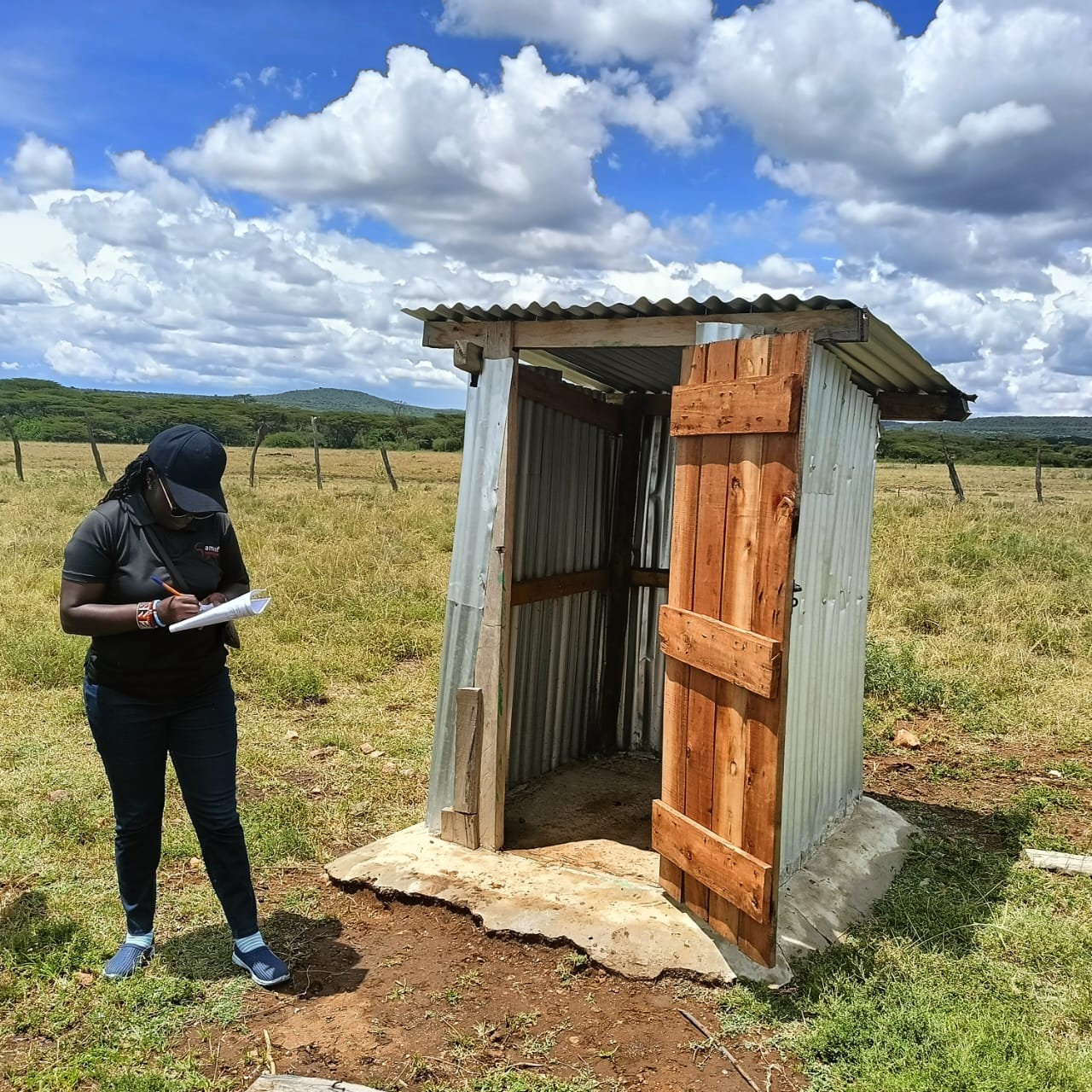
We implement the CLTS approach to ignite grassroots action against open defecation, especially in rural settings where it is widespread. CLTS empowers communities to take ownership of their environment by analyzing their sanitation practices, which triggers collective behaviour change. In settings like refugee camps and informal settlements, we adopt a Fragile CLTS approach that factors in the unique social and logistical challenges of these contexts.
Market-Based Sanitation (MBS)
To drive sustainable sanitation solutions, we promote market-based approaches that link households with local sanitation entrepreneurs. By building supply chains, training masons, and improving access to affordable, quality latrines, we create demand-driven systems where communities invest in their own sanitation. This model strengthens local economies while expanding access, ensuring long-term uptake beyond project timelines. It suits contexts where households have unimproved toilets but lack access to affordable, improved sanitation options.
Behaviour Change and Hygiene Promotion
Sanitation and hygiene infrastructure alone isn't enough. We pair hardware interventions with behaviour change communication on safe sanitation and hygiene practices through community dialogues, door-to-door household visits, school programs, religious institutions, and mass and social media.
WASH in schools.
Poor WASH conditions in schools contribute to absenteeism, especially among girls during menstruation, and increase the risk of diseases like diarrhea and respiratory infections, directly impacting the health, dignity, and academic performance of learners. Investing in WASH in Schools (WinS) is not just about infrastructure; it's about creating safe, inclusive, and empowering learning spaces where every child can thrive.
Toilet Construction
We build gender-disaggregated toilets aligned with Kenya's Ministry of Education (MoE) guidelines on toilet-to-pupil ratios; 1:25 and 1:30 for girls and boys respectively. We ensure the toilets are safe, private, inclusive, and fitted with handwashing. In rural settings we also include bathrooms where learners can take showers.
Safe Water Access
We install drinking water points in schools, ensuring reliable access to clean and safe water for learners and school staff.
Hygiene Promotion
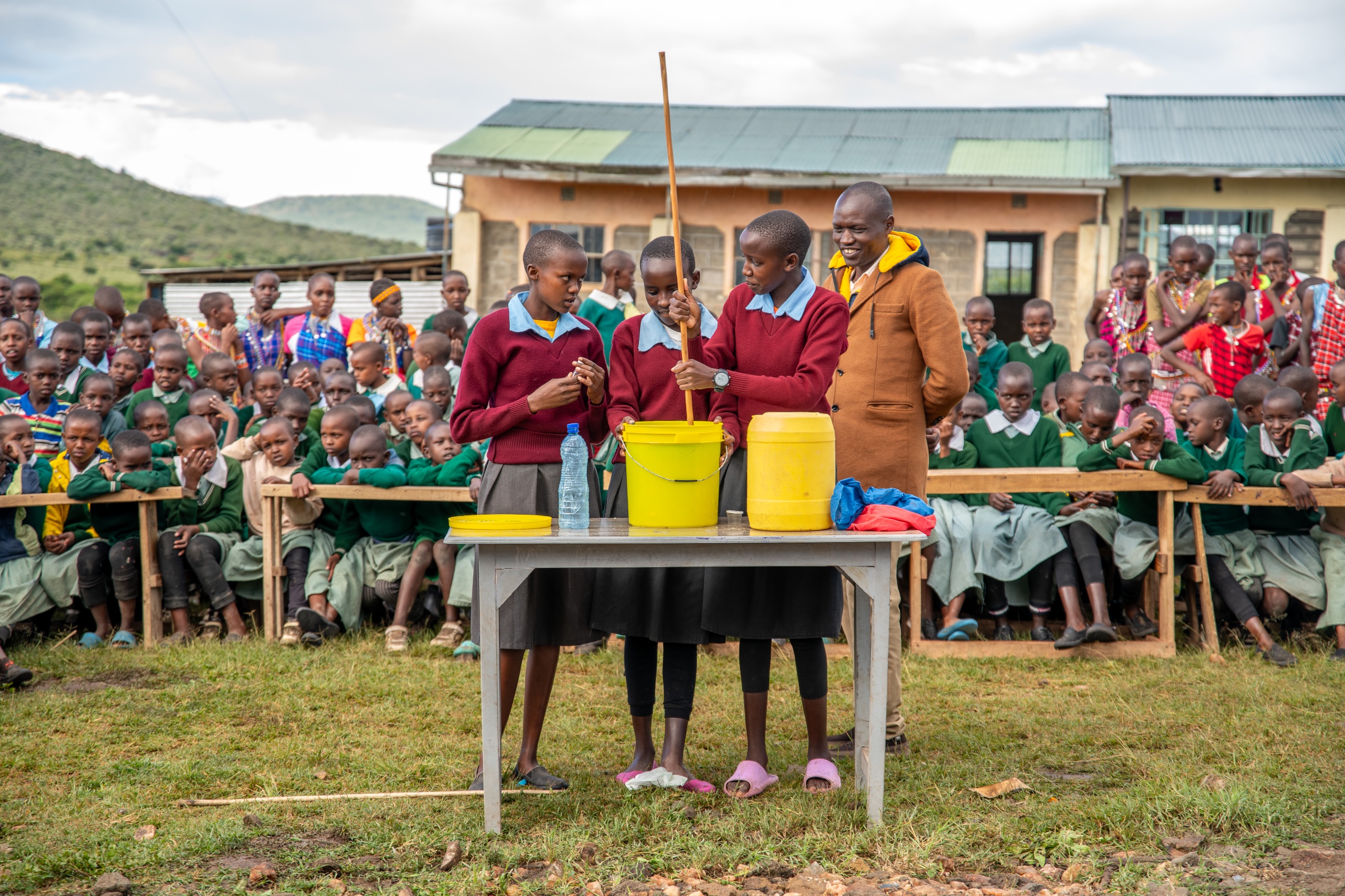
Through the establishment of WASH clubs, we empower learners to lead proper WASH behaviour promotion in their schools and communities. Clubs engage in regular hygiene education, handwashing campaigns, and sanitation monitoring.