
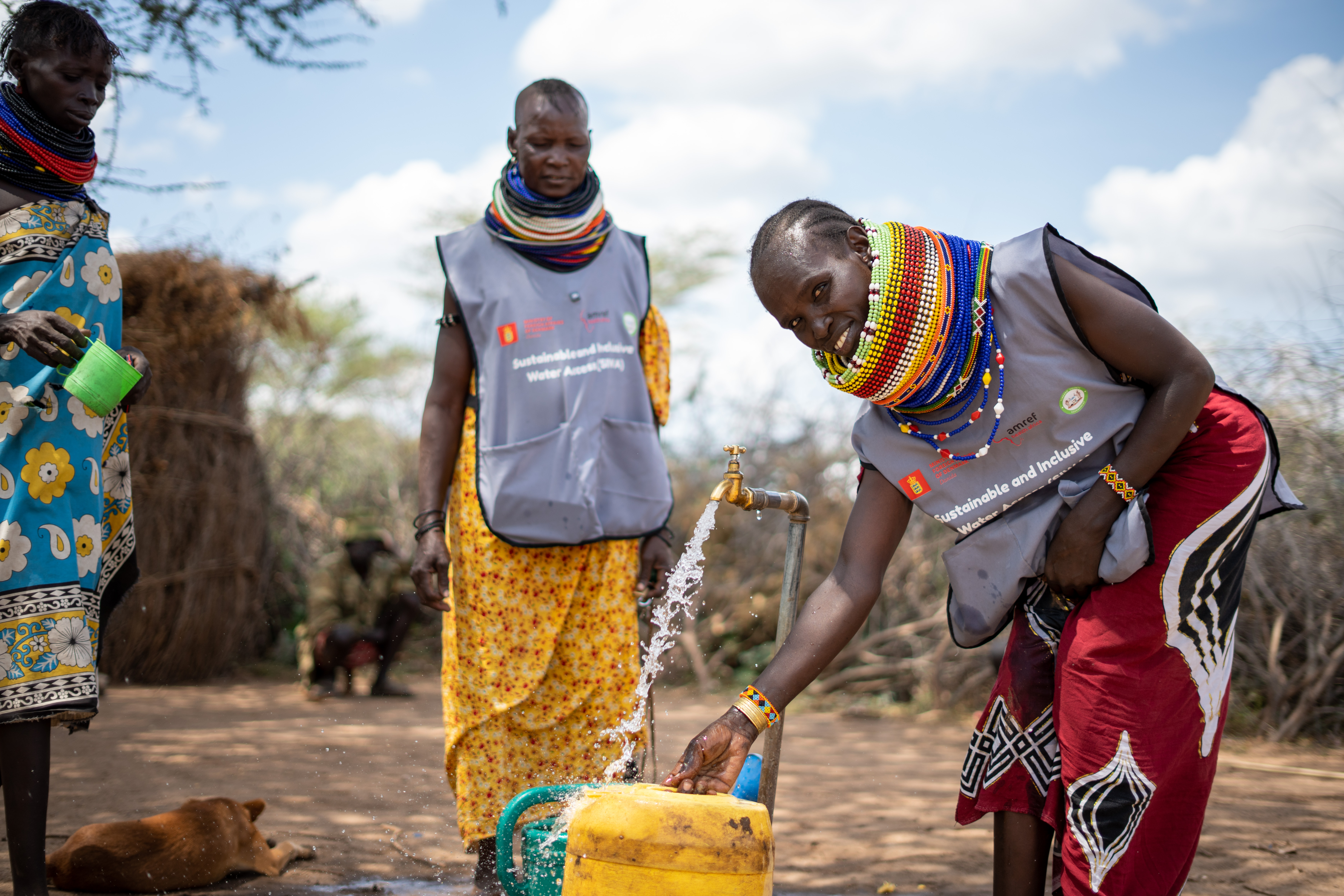
670,500,300 litres of clean water distributed.
Amref's WASH program has reached more than 900,000 people across 8 counties in Kenya with safe water, sanitation and hygiene.
A closer look at the water crisis and the lives it silently drains.
Across Kenya, millions still walk hours for water that can make them sick. 70% of preventable diseases are linked to poor water, sanitation and hygiene, and the burden falls disproportionately on women and girls. We work alongside these communities to create lasting change.
Learn more about water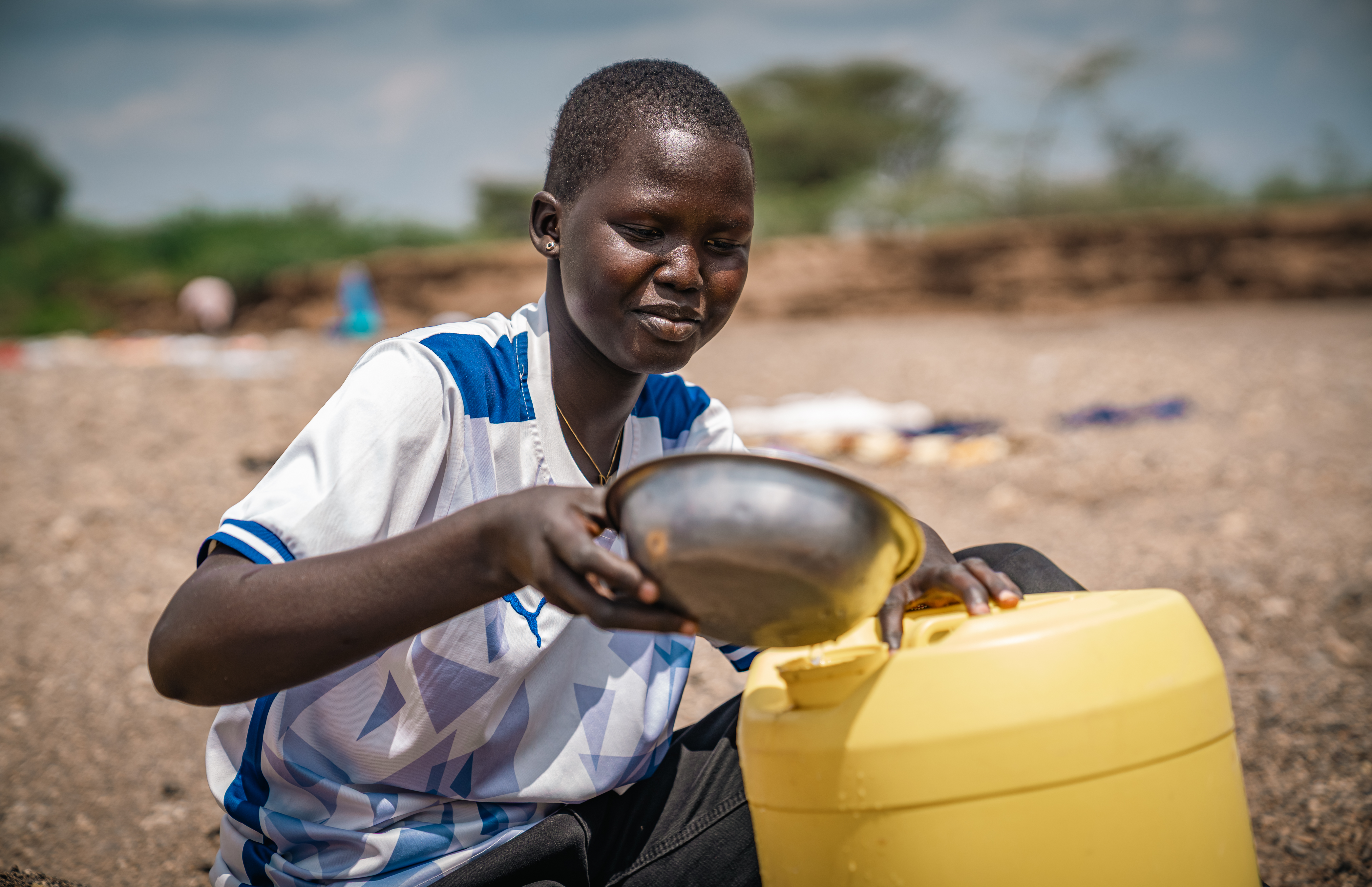
Why we are tackling WASH.
A fundamental human right and health imperative
Safe water, sanitation and hygiene is a basic human right. In Kenya, millions still lack access, and 70% of preventable diseases such as diarrhoea and cholera are linked to poor WASH conditions.
A disproportionate burden on women and children
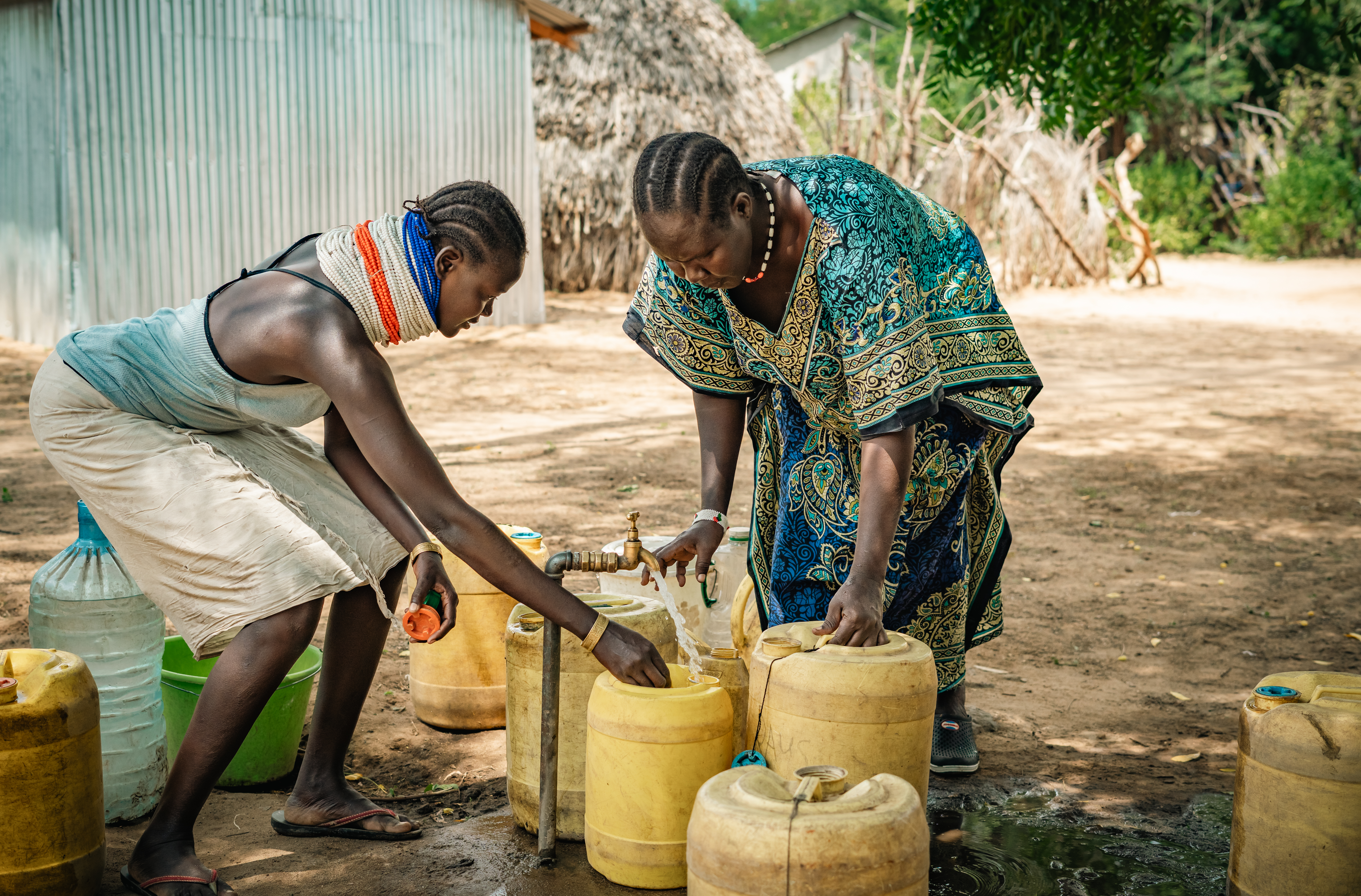
Women and girls often walk 4–5 km twice daily to collect unsafe water. Clean water and toilets in schools improve attendance and academic performance, especially for adolescent girls.
A catalyst for development and equality
Safe WASH boosts productivity by reducing illness and freeing up women's time, and it strengthens both community health and economic growth as a driver of sustainable development.
A community-led approach to SDG 6
With deep community roots, Amref co-creates locally tailored WASH solutions and equips communities to sustain them, committed to universal access to safe water and sanitation by 2030.
Where we work.
Our WASH program is rooted in Kenya's arid and semi-arid lands, where water is scarce and the need for it is acute. From the rangelands of Narok and Kajiado to the drylands of Turkana and the coastal communities of Kilifi and beyond, we work alongside communities to bring safe water, sanitation and hygiene within reach.
Explore the map to see every site we've reached.